Why Flexible Uniform is a Core Component of Industrial Safety
If PPE is too hot or too difficult to move in, people start working around it. They'll adjust, loosen, or take parts of it off, not because they don't understand the rules, but because it's uncomfortable or restrictive to work in.
Flexible PPE is incredibly important for this reason. Having flexible styles of workwear makes it easier and more comfortable to wear properly, which has a direct effect on safety, movement and compliance.
If you're looking at how to make sure employees wear PPE, the design of the garment needs to be part of the conversation.
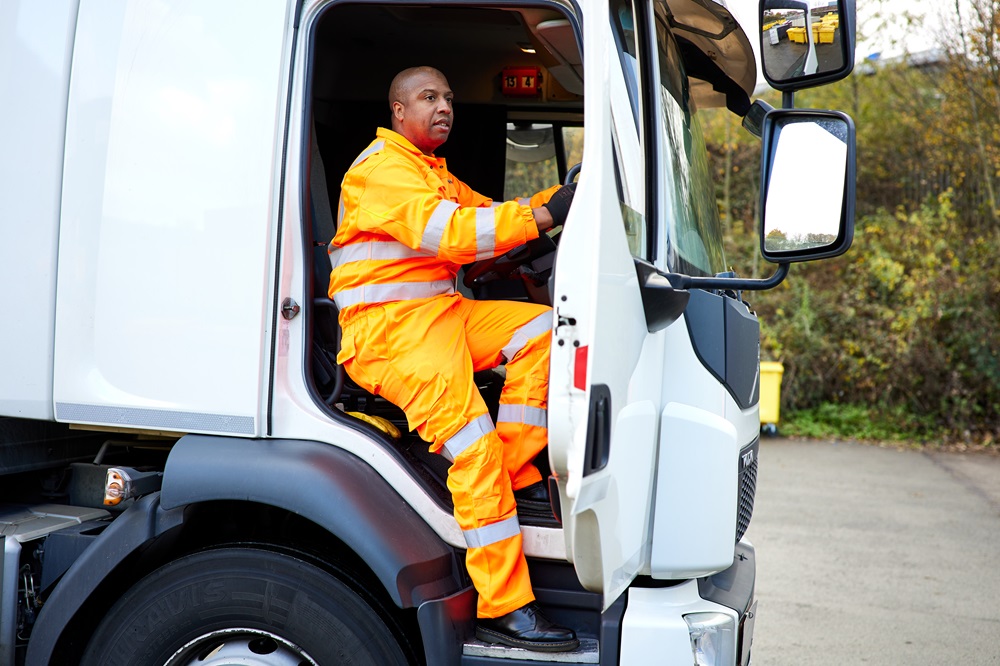
Why workers stop wearing PPE properly
In most industrial settings, people aren't standing still, but are climbing, crouching, stretching, reaching, lifting, and otherwise moving between different tasks throughout the day. This can be hard to do if a garment pulls or rides up uncomfortably or traps too much heat.
Uncomfortable workwear can lead to small but risky habits, such as:
- Unfastening jackets or coveralls
- Rolling sleeves up when protection is still needed
- Removing essential outer layers
- Choosing older garments that feel easier to move in, even if they're in a poorer condition
If workwear gets in the way of the job, workers will understandably try to make it more manageable.
Hot weather construction safety and PPE for all temperatures
This issue is often most obvious during the summer. On top of water and rest breaks, hot weather construction safety also includes whether the PPE can still be worn properly when temperatures rise. Our stretch industrial workwear range comes in various styles for temperature appropriateness and personal preference, while still giving the wearer plenty of movement.
However, this should be considered alongside practical safety; for example, if skin needs to be covered for safety, opt for lighter fabric options where possible during summer rather than removing sleeves.
The same logic applies at the other end of the year during colder months. In an industrial environment, it's important to ensure your employees are able to layer up without restricting their movement or making it harder to work in any other way. For further advice, have a look at our blog post on layering winter work clothes in cold weather.
PPE for all weather needs to move with the wearer
Outdoor PPE needs to be universal for all weather, protecting workers in rain, wind, cold and heat without becoming heavy or awkward to move in.
This predominantly includes hi-vis and waterproof industrial gear. If outerwear is bulky or stiff, workers may avoid wearing it for as long as they should. If it fits properly and allows movement, it's much more likely to stay on throughout the shift.
By EN 343 standards, Class 4 clothing is the best option for breathable material that's also water resistant. For more information on water resistant hi-vis options, read our sister article on waterproof workwear.
How we build flexibility into our protective workwear
Flexible workwear is part of helping workers move naturally, and react to hazards as they arise. At phs BeSafe, this thinking is build into our garments.
Our Flame Gear range includes anti-static core conducting fibres and is designed to support movement in hazardous environments. Strategic movement panels are built in to help reduce restriction and limit garment rise during active work.
We also use advanced ALSIFLEX stretch technology in selected garments. This provides a minimum of 25% fabric stretch, which helps create workwear that's significantly less restrictive in day-to-day use.
The specific needs of your employees' workwear will vary by their day-to-day activities and the specific work environment, so it's important to consider your PPE necessities by industry.
How to make sure employees wear PPE
Start by looking at when compliance drops off, then ask why. A few things that are worth checking include whether:
- Garments are causing heat build-up
- Workers can bend, climb and stretch comfortably
- Sizing is right
- Staff have suitable options for different seasons
- Clothing is being maintained, repaired and replaced properly
If PPE feels wearable, workers are more likely to keep it on. This is much more effective than reinstating a rule to wear it without addressing the reason for people's discomfort.
How to make sure employees wear PPE
If your current PPE is causing problems with comfort, movement or day-to-day wear, it's worth reviewing whether the issue is the policy or the clothing itself.
At phs Besafe, we can help you choose flexible workwear that suits the risks, conditions and demands of your site. Whether you need non-restrictive industrial workwear, hi-vis wet weather gear, or more specialist protective clothing like flame retardant gear, get in touch with our team to find the right workwear for your workforce.