Layering Winter Work Clothes for Cold Weather: A How-To Guide
When the winter months roll around, it’s the perfect time to reflect on whether you’re providing your employees with the warmest work clothes.
Sudden temperature drops can lead to employee discomfort and affect concentration, dexterity, and reaction times, increasing the risk of accidents. Sudden temperature drops can lead to employee discomfort and affect concentration, dexterity, and reaction times, increasing the risk of accidents.
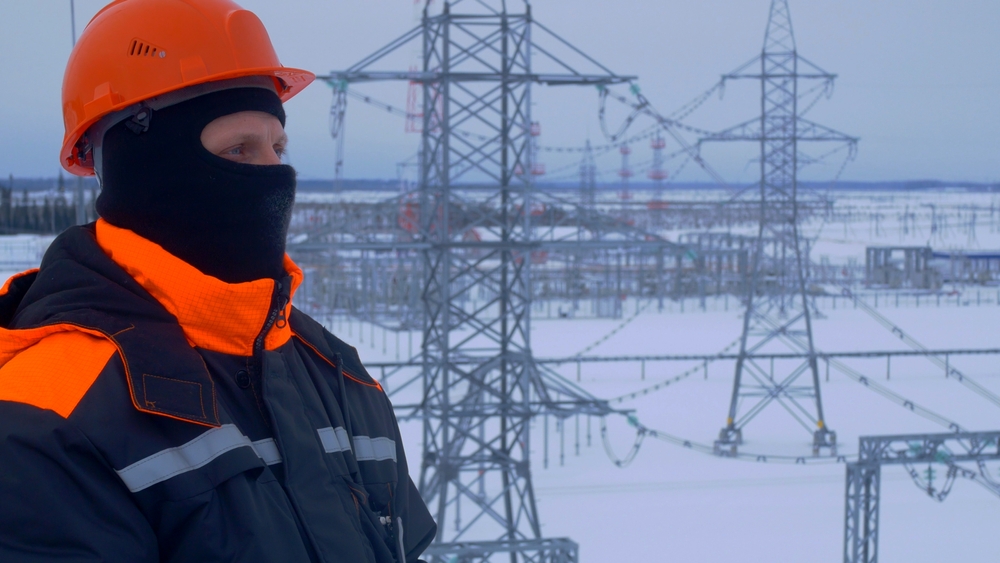
If you work in outdoor industries such as construction, transport, manufacturing, or utilities, knowing how to layer winter work clothes effectively is essential to avoid these risks.
Here’s how to build the right layers for warmth, compliance, and comfort using the phs Besafe warm workwear range.
Why is it important to stay warm when working outside?
Temperature can be deceiving, especially when working in a high-activity, manual labour role. If not controlled or limited by high-quality work garments, prolonged exposure to wind, rain, and freezing temperatures can lead to cold stress, hypothermia, and frostbite.
In fact, the Health and Safety at Work Act 1974 and the PPE at Work Regulations 2022 require employers to protect staff from these risks by providing suitable clothing for the working environment.
Effective layering of workwear garments can help trap warmth, limit moisture, and protect your staff from the elements without restricting their movement or productivity
Cold weather workwear: Compliance and safety standards for employers
UK regulations require employers to provide PPE that is both suitable for the workplace environment and the demands of the job role. This could mean supplying garments that protect against cold weather as well as heat, flames, or reduced visibility.
Some key standards for employers to be aware of include:
- EN ISO 20471 - High visibility clothing.
- EN 343 - Protective clothing that shields against precipitation, fog, and ground humidity.
- EN ISO 11612 - Clothing to protect against heat and flames.
How to layer winter work clothes effectively
Multiple thin layers are more effective than one heavy-duty layer. This is because each garment layer has its own purpose and benefits.
1. Start with a base layer for moisture control
A tight-fitting thermal moisture-wicking base layer draws sweat away from the skin. These garments are specifically designed to keep employees dry, since damp clothing can contribute to heat loss.
Our Unisex Contrast Poloshirt can then be used as a breathable additional first layer, thanks to its soft yet durable fabric.
2. Use a mid layer for insulation
The next clothing layer should trap body heat while allowing excess moisture to escape, allowing employees to maintain a balanced, comfortable temperature throughout the working day.
The best garments for this include fleece-lined jackets or lightweight insulated garments, like our Stretch Jacket or Stretch Contrast Jacket. Their stretchy composition allows for full mobility and can easily be worn beneath heavier outer layers without diminishing comfort.
3. Add an outer layer for extra protection
Outer layer garments are the body’s first line of defence against wind, rain, and snow.
Depending on the needs of your specific industry, we offer two winter work jacket varieties in our flame-retardant and high-visibility workwear range. Both meet safety regulations while keeping employees warm, protected, and dry.
We also offer a range of coveralls to provide protection in cold and wet environments, with a durable and flexible design for full coverage, layering, and moveability:
4. Finish with accessories
The right workwear accessories can also contribute to staying warm in outdoor settings. Some of the best protective workwear accessories for cold weather include:
- Thermal beanies: To trap heat from the head, where most body warmth gets lost.
- Insulated work gloves: To keep the hands warm and functional without diminishing grip or dexterity.
- Thermal socks and waterproof boots: To reduce the risk of heat loss and cold-related injuries in the extremities (areas farthest from the heart).
- Neck gaiters and snoods: To offer flexible, easily removable coverage in changing weather conditions.
Protect your team with cold-weather garments from phs Besafe
We’ve been providing protective workwear and specialist commercial laundry services for over 50 years. In this time, we’ve developed a full range of durable workwear garments, so you can stay compliant while prioritising the comfort of employees.
Stay one step ahead of the weather with phs Besafe, and explore our full range of warm workwear solutions today. For more information, don’t hesitate to get in touch.