Maintenance and Care Tips for Extending PPE Lifespan
Protective clothing will always show signs of wear over time, but good PPE care is about spotting those problems early and handling garments properly before they stop doing the job they were issued for.
If workwear is washed, stored and repaired properly, it's more likely to stay in service for longer, which benefits your internal cost as well as improving the garments' sustainability. To keep workwear in its best condition for as long as possible, follow our 5 steps laid out here.
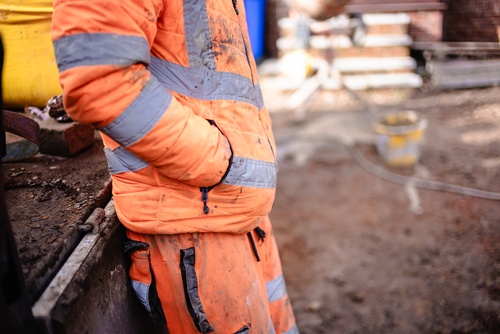
1. Check garments regularly
PPE maintenance starts before the wash.
A quick check before and after use will often catch small signs of damage before they escalate. You should look for:
- Loose stitching or seam damage
- Broken zips, poppers or cuffs
- Thinning fabric at common wear points
- Fading on high-visibility areas
- Heavy soiling or contamination that may need specialist handling
Once the damage spreads, the garment may need a more extensive repair or replacing altogether. Our laundry process at phs Besafe includes inspection and repairs for exactly that reason; every garment is checked before it goes back to the wearer, alterations or repairs will be administered where needed.
2. Avoid home washing
Home washing feels convenient, but it does come with drawbacks. Domestic machines don't give you the same control over your washing load, and more importantly, there's no inspection process built in. A few specific risks with home washing are that:
- Incorrect temperatures can damage garments
- Different chemicals can reduce high-visibility and technical properties
- Contaminated clothing can be washed with personal laundry
- Businesses lose sight of wash history, repairs and replacements
If you're managing flame-retardant clothing or waterproof workwear, it makes more sense to use a PPE cleaning service or uniform cleaning service that's set up specifically for managing and preserving those kinds of item.
3. Store workwear properly between shifts
Storage might seem insignificant, but it actually does have a direct impact on garment life. A clean garment thrown onto the floor of a van, stuffed into a damp bag or mixed in with used clothing is going to wear out faster than it should. Ensure that you're keeping clean and dirty items separate at all time, and make sure that clean garments are dry and properly put away between shifts.
An easy way to incorporate this kind of storage is with lockers. Our locker service delivers laundered garments straight into an employee’s locker, while used items go into bulk collectors for collection. We also provide separate storage for heavily soiled clothing, keeping all uniforms in their best condition possible, and the whole process easier to control.
4. Deal with repairs early
Repairs are an important part of PPE maintenance. A small split seam or damaged fastening may seem manageable for another few weeks, but leaving it runs the risk of it worsening.
Repairing a garment as soon as it's noticed will likely improve its lifespan, and having them laundered and inspected by a professional service increases the likelihood of the fault being noticed early on.
5. Know when a garment has reached the end of its life
While extending a garment's lifespan is great, that doesn't mean you should keep them in service indefinitely. Eventually, your workwear will get to a point where repair isn't plausible, whether that's because reflective areas have faded too much, the same area has needed repeated repairs, or the garment has been contaminated or damaged in a way that affects its performance. At that stage, PPE care means taking it out of service.
Our uniform destruction service is designed for this stage. Once a garment reaches the end of its life, our team will tag it, collect it with the next service, remove it from the database by barcode scan, and then safely destroy it after laundering.
How to wash hi-vis jacket items without shortening their life
As with any laundering, you should always follow the care instructions and avoid assuming a normal domestic wash will do the job. Generally speaking, hi-vis clothing should be washed on a cool and gentle cycle with a mild detergent to maintain their reflective properties best, but a professional service will always be the best option.
At phs Besafe, we use over 25 different wash cycles for different garments with different properties in order to remove stains while still respecting water-proof, ARC and hi-vis properties, which can all be reduced with domestic chemicals in a home wash.
What good PPE care looks like in practice
You can do some PPE care in-house by reminding staff to inspect garments when putting them on or taking them off, report damage early, and store them safely. In summary, proper PPE care includes:
- Checking garments regularly for wear, damage and contamination
- Now home washing specialist items unless the instructions clearly allow it
- Keeping clean and dirty garments separate between shifts
- Repairing issues early
- Replacing and destroying garments when they're no longer safe to use
Our laundry, locker, and uniform destruction services are designed to provide this system, so your PPE and workwear garments stay clean, traceable and fit for purpose for as long as they should be.
To find out how these services could benefit your business, get in touch with us at phs Besafe today.