The Microplastic Crisis: How phs Besafe's Advanced Industrial Filtration Protects Local Ecosystems
How does washing affect the environment? This question typically addresses water and energy use, and while those are important, they're not the only elements involved.
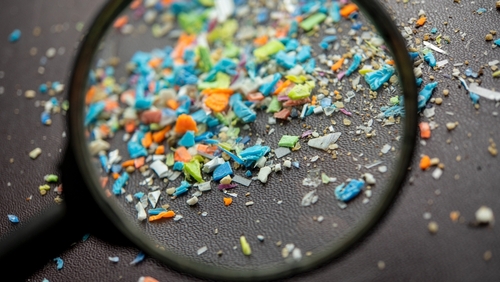
Washing synthetic textiles can release microfibres into wastewater, and research has linked textile laundering with a large share of primary microplastic pollution in aquatic environments. Synthetic microfibres from laundering have also been associated with harmful effects in living organisms, including disrupted feeding and damage to growth and reproduction.
A lot of industrial workwear uniforms and PPE rely on petroleum-based synthetics or mixed fabrics. If you're cleaning work clothes at high temperatures week after week, the fibre loss during this process will be having an effect on the environment. By partnering with a sustainable laundering service instead, you can drastically reduce your impact.
Why cleaning work clothes can release microfibres
Cleaning work clothes typically puts the fabric under strain as water, detergent, drum movement and repeated drying all wear at the surface over time. With synthetic fabrics, that can mean very small fibres break away during the wash and get into the water. While polyester is the main culprit for this, synthetic blended fabrics can shed, too.
The solution isn't that workwear should be washed less often. In many sectors, frequent laundering is an important part of keeping garments safe and fit to wear. Instead, make sure you're washing your garments on the right temperature for their material type. Or better yet, opt for an external services that's dedicated to sustainable washing practices.
What temperature is best for laundering clothes?
The best temperature for washing your clothes, especially when dealing with PPE or specialist workwear, will vary. The right setting depends on the garment, the contamination risk and the protective properties that need to stay intact after washing. Temperature and wash cycle can all affect the clothes, and therefore the water, too.
At phs Besafe, we don't wash everything the same way for exactly that reason. We use more than 25 different wash programmes, and garments are hand-sorted and segregated by specialist properties such as flame retardancy and high visibility, to ensure each one is treated in the best way to prolong its life.
While there are some interesting developments being made in future fabric technology that will improve the sustainability story even further, for now, controlled laundering is still the most practical defence against contamination.
How our filtration helps reduce what goes down the drain
We understand the impact that laundry can have on the environment, which is why we're proud to be revolutionising sustainability standards within the industry.
Our used water is always filtered for cleaner discharge, meaning our filter system removes unwanted solids from wastewater, thereby reducing what goes down the drain. As well as this, our improved heat exchangers filter out unwanted solids before safe discharge. Essentially, the process works like this:
- Washing loosens more than visible dirt: Wastewater can carry lint, fibres and other small solids away from the garment as the cycle runs.
- The water then passes through filtration before discharge: Our filtration separates out unwanted solids instead of everything going straight into the wider drainage system.
- That reduces the environmental load leaving the site: The water is then also treated, meaning it's significantly more pure than standard laundry water when it's discharged.
Why this matters for local ecosystems
Microfibres don't become harmless after they've left the machine. They move through drainage and wastewater systems, and some reach rivers, estuaries and marine environments. Laundering is typically a pathway for synthetic fibres to enter the environment, and they can have harmful effects on aquatic organisms.
That's why wastewater handling matters at the source, with an environmental cleaning service. If more solid material can be removed before discharge, you can reduce the load placed on everything further down the line.
How our laundry service reduces impact beyond the wash itself
Reducing water use
Filtration is of course part of the system, but reducing the amount of water used in the first place also has a huge impact. For example, we use water recovery tanks that reuse final rinse water for the prewash of the next cycle. Overall, this saves more than 100 litres of water per wash, per machine.
Reducing heat
We use lower wash temperatures and shorter cycles where possible, when it suits the garments. We also use heat-exchanging washing machines that recover heat from wastewater to pre-heat water that's incoming, which reduces further energy impacts.
Reducing energy
On top of our heat-exchanging machines, we also use Drysafe, our infrared drying process. This is a system that uses infrared sensors to monitor garment moisture and drum temperature so that dryers never run longer than needed. This reduces energy use, and also helps prolong garment life by avoiding unnecessary heat exposure.
Why a uniform cleaning service needs to think past the garment
A sustainable uniform cleaning service should do more than return garments looking presentable. They need to focus both the preservation of the garment's lifespan, and how their washing process has further environmental and ecological impacts. They should consider:
- Whether the wash process is right for the garment type
- How protective properties are preserved
- What happens to wastewater after the wash
- How repairs, garment age and replacement are tracked
At phs Besafe, we offer a complete uniform and PPE service, from the initial measurement and branding through to repairs and laundry. We also track garment history through barcodes and monitoring as part of our laundry service, so we have full awareness of each individual garment's current quality.
Find a uniform cleaning service that looks beyond the wash
The environmental side of laundry is easy to reduce to one or two factors, but in reality, it's a chain of decisions that include fabric choice, wash settings, drying methods, wastewater handling, and more.
At phs Besafe, our laundry service is built around that wider job. To launder your uniforms and PPE with a more positive environmental impact, get in touch to see how we can support your business needs.