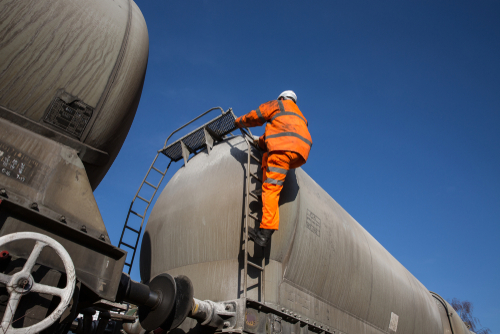
Rail workwear compliance is essential for managing visibility risks around moving trains and vehicles. To help reduce the risk of struck-by incidents, workers on or near the rail network must wear compliant PPE.
However, non-compliant workwear can create both safety and operational risks. Workers may be refused site access or stood down from work, potentially causing delays and disruption.
There are two key standards that govern rail workwear compliance:
- EN ISO 20471: establishes the general requirements for high-visibility clothing
- RIS-3279-TOM: the rail industry specification for use on Britain's rail network
Understanding how these standards work together is essential when selecting, supplying and managing rail workwear. In this guide, we'll explain what each standard covers and what employers need to do to maintain compliance.
1. What is RIS-3279-TOM?
RIS-3279-TOM is the UK rail industry standard for high-visibility clothing used by workers operating on or near Britain's rail network. It applies to:
- Network Rail employees
- Contractors and subcontractors working on Network Rail infrastructure
- Track maintenance, inspection, construction and engineering personnel
- Anyone requiring access to trackside areas where rail-specific PPE is mandatory
The standard builds on EN ISO 20471 with additional requirements for rail environments, helping to keep rail workers safe and visible while carrying out trackside activities.
2. EN ISO 20471 and rail hi-vis requirements
EN ISO 20471 is the international standard for high-visibility clothing, specifying the amount and placement of fluorescent and reflective materials needed to keep workers visible in daylight and low-light conditions. It applies across multiple industries, with Class 3 providing the highest level of visibility protection.
Rather than replacing EN ISO 20471, RIS-3279-TOM builds on it with additional rail-specific requirements. Railway workers must wear clothing that complies with both standards, although rail PPE requirements may vary between trackside and depot-based roles.
Trackside requirements
When working trackside, workers may be exposed to moving trains and vehicles, so the highest visibility requirements are necessary. Railway PPE will typically need to achieve the appropriate EN ISO 20471 visibility classification for the given task and working environment, as well as be RIS-3279-TOM compliant in the hi-vis fluorescent orange colour.
Depot and maintenance requirements
When working at a train depot or maintenance facilities, the appropriate PPE may vary depending on the site operator, workplace risk assessment, and specific work activities at hand.
Some depot environments will still require orange RIS-3279-TOM compliant workwear, especially if workers are accessing operational rail infrastructure. As a rule, employers should follow site-specific PPE requirements alongside relevant visibility standards.
3. What counts as compliant rail workwear?
Compliance depends on more than simply wearing a hi-vis garment. When reviewing railway PPE, consider the following:
- Certification and standards: Rail workwear should be certified to the relevant standards for its intended environment. For trackside work, this will typically mean compliance with EN ISO 20471 and RIS-3279-TOM. Certification should be verified before garments are issued.
- Colour and markings: Trackside PPE is typically required to be fluorescent orange in line with RIS-3279-TOM requirements. Garments should also display the appropriate certification markings and labels.
- Reflective tape: Compliance is not determined by colour alone. High-vis garments must include the correct amount and placement of retroreflective tape, which should be regularly checked for damage or deterioration.
- PPE compatibility: Rail workers often wear multiple forms of PPE simultaneously. High-visibility clothing should remain visible and effective when worn alongside hard hats, harnesses, waterproofs and other protective equipment.
- Inspection and replacement: PPE should be inspected regularly for faded fabric, damaged reflective tape, tears and excessive contamination. Any garment that no longer meets visibility requirements should be replaced promptly.
Compliance is an ongoing process, and workwear should be monitored throughout its service life to ensure it continues to meet PPE and visibility requirements. Correct laundering and timely replacement help maintain both garment performance and compliance.
4. Why a managed workwear service supports rail compliance
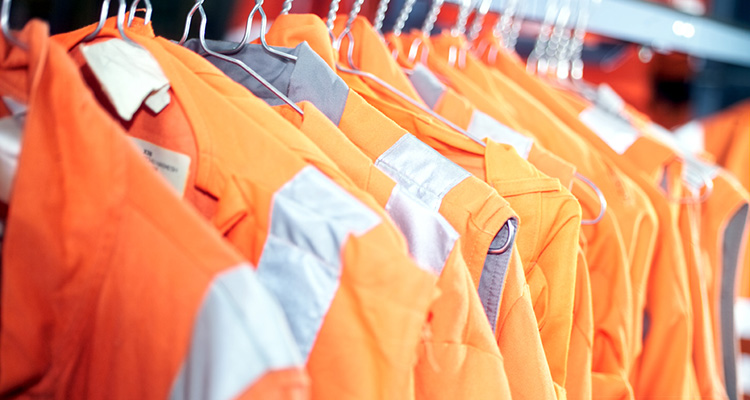
Maintaining compliant rail workwear across multiple workers, sites and shifts requires more than simply issuing PPE. Garments must be professionally maintained, regularly inspected and replaced when necessary to ensure they continue meeting railway PPE requirements.
Specialist laundering helps maintain compliant rail workwear
High-visibility garments require specialist care to remain compliant and effective. Contaminants can reduce visibility, while incorrect washing may damage reflective tape and other protective features. Industrial laundering helps maintain performance, supporting railway PPE compliance and worker visibility.
Tracking and audit trails support compliance
Barcode tracking creates a clear audit trail by recording garment issue dates, wash history, repairs and replacements. This helps prevent non-compliant PPE remaining in circulation while providing evidence of ongoing compliance management.
Managed replacement, collection and disposal
Maintaining compliant railway PPE requires a proactive approach to garment management. As PPE naturally degrades over time, faded, damaged or excessively worn items should be replaced promptly to help ensure workers remain properly protected.
A managed workwear service can streamline this process by supplying clean garments directly to wearers, coordinating collection and redistribution, and maintaining consistency across multiple sites and depots. Secure disposal of retired garments also helps prevent unauthorised reuse while supporting compliance and protecting company branding.
5. Staying compliant as standards update
Rail workwear standards and requirements can change over time, making it important for employers to stay aware of updates that may affect garment specifications, testing or maintenance.
Compliance doesn't end once a garment is issued. Wear, washing, contamination and damage can all affect hi-vis performance, so regular inspection and replacement procedures are essential.
Managing garment condition, laundering, replacement schedules and evolving requirements across large workforces can be challenging. A managed workwear service can help reduce administrative burden while supporting consistent compliance management.
Keep your rail workwear compliant with phs Besafe
With proper PPE laundering, tracking, and replacement programmes, safety and operations teams can focus on core responsibilities rather than garment administration.
Whether you're managing trackside teams, depot personnel or a multi-site rail workforce, phs Besafe can help simplify rail workwear compliance with a managed rail workwear service to support garment supply, specialist laundering and lifecycle tracking.
Get in touch to discuss your railway PPE requirements and build a service that supports ongoing RIS-3279-TOM and EN ISO 20471 compliance. Call 0330 5884100 or email besafesales@phs.co.uk
RIS-3279-TOM is the rail industry standard that sets the requirements for high-visibility orange protective clothing worn by people working on or near the railway. It helps improve worker visibility and supports safety across the rail network.
Yes. RIS-3279-TOM applies to Network Rail employees and the wider rail supply chain, including contractors and subcontractors carrying out work on or near the railway.
Trackside workers typically require high-visibility clothing that meets EN ISO 20471 Class 2 or Class 3 requirements, depending on the task and site-specific risk assessment. RIS-3279-TOM also includes additional rail industry requirements, such as the use of approved rail orange garments.
Rail PPE should be replaced as soon as it becomes damaged,
excessively worn, contaminated, or no longer meets the required visibility or
protective performance standards. Regular inspections help ensure garments
remain compliant and fit for purpose.
Yes. A managed workwear service can provide clear audit trails, including wearer allocation, garment history, inspection records and replacement tracking, helping businesses demonstrate PPE compliance with confidence.